

The Fittest Lie: What Your Body Isn't Telling You
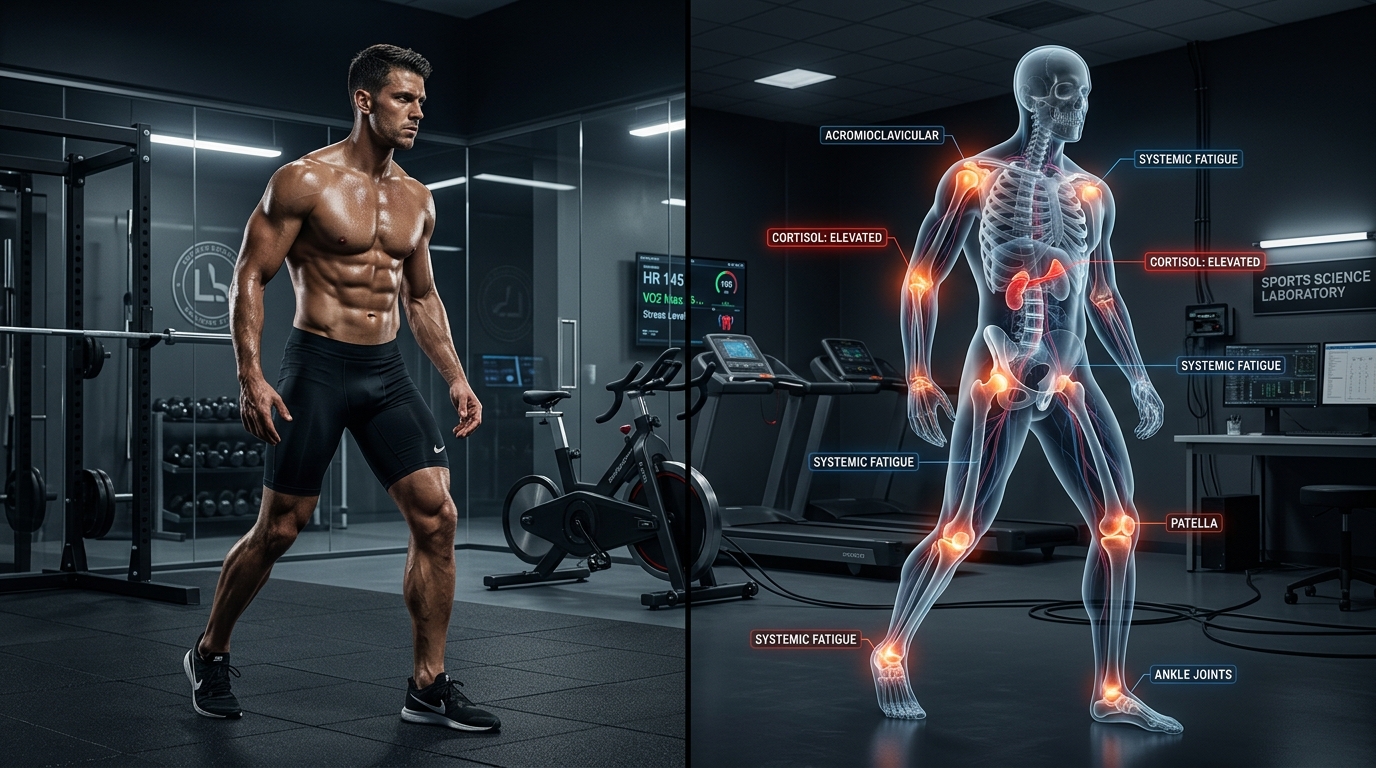
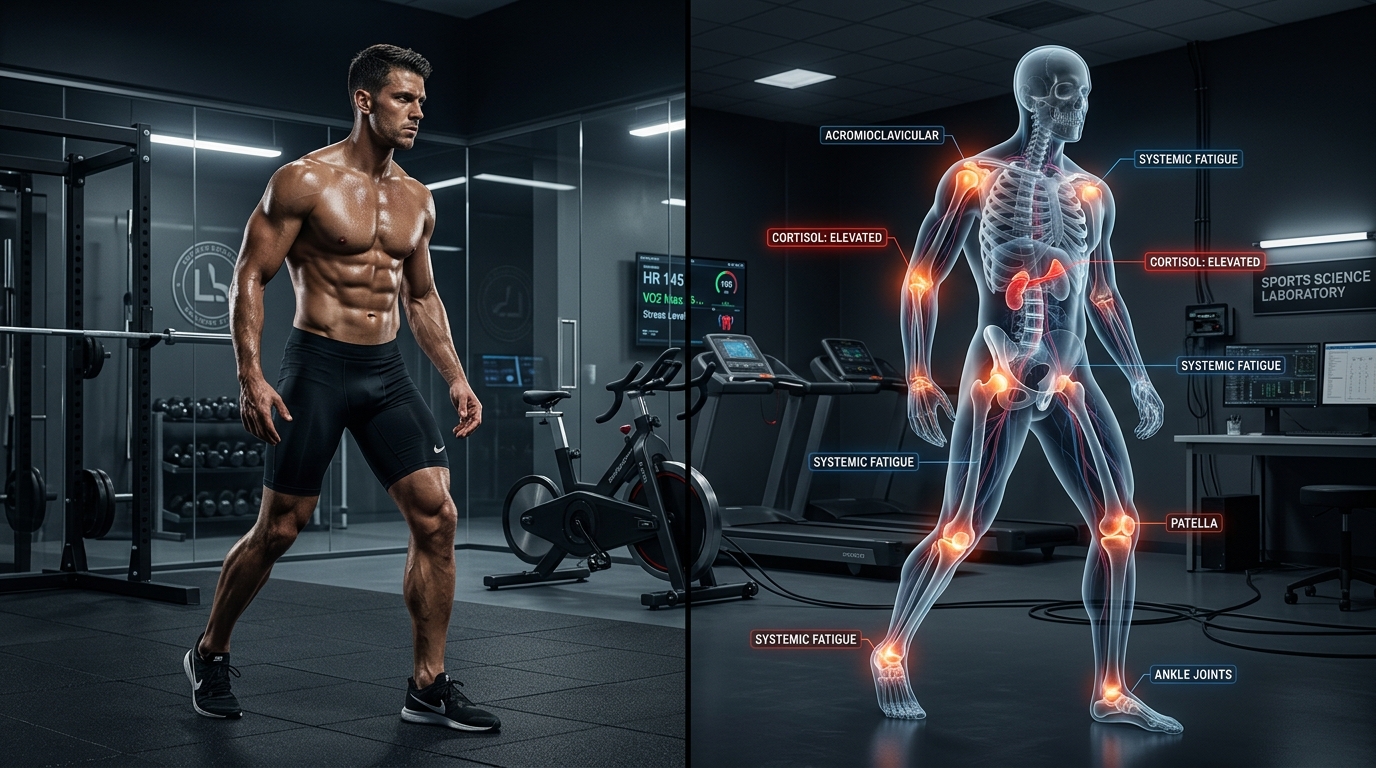
In contemporary society, the pursuit of optimal physical fitness is often mistakenly equated with the pursuit of ultimate health. We are conditioned to believe that a chiseled physique, a low body fat percentage, and the ability to perform rigorous athletic feats are the definitive markers of well-being. However, beneath the veneer of physical perfection lies a complex biological reality that often contradicts these superficial metrics. This phenomenon, which we may term 'The Fittest Lie,' reveals a profound disconnect between aesthetic fitness and authentic physiological health.
The Illusion of Aesthetics Versus Authentic Health
For decades, the fitness industry has propagated a highly specific visual paradigm. The muscular, excessively lean body is universally celebrated as the gold standard of wellness. Consequently, millions of individuals subject themselves to grueling training regimens and severe dietary restrictions to achieve this idealized aesthetic. Yet, from a clinical and scientific perspective, external appearance is a remarkably poor indicator of internal systemic health.
Aesthetic perfection does not inherently correlate with metabolic efficiency, cardiovascular resilience, or endocrine balance. In fact, many individuals who present as the epitome of physical fitness may silently suffer from a myriad of hidden physiological dysfunctions. The medical community increasingly recognizes that the relentless pursuit of cosmetic fitness can actively undermine long-term health, leading to a state where the body is aesthetically flawless but fundamentally compromised.
The Physiological Cost of Extreme Conditioning
The rigorous demands placed upon the body by extreme physical conditioning often precipitate a state of chronic systemic stress. When an individual engages in relentless overtraining without adequate recovery, the body's natural homeostasis is severely disrupted. This disruption frequently manifests in the dysregulation of the hypothalamic-pituitary-adrenal (HPA) axis, leading to chronically elevated cortisol levels.
Elevated cortisol, while necessary for acute fight-or-flight responses, is highly detrimental when sustained over prolonged periods. It promotes systemic inflammation, suppresses immune function, and accelerates cellular aging. Furthermore, excessive mechanical stress leads to cumulative joint degradation and increases the risk of micro-tears in connective tissues. The athlete's body, while outwardly appearing invincible, may actually be operating in a constant state of physiological emergency, desperately attempting to repair sustained internal damage.
Nutritional Facades: Beyond Macronutrients
The dietary practices associated with elite fitness often prioritize macronutrient manipulation—specifically, the precise calculation of proteins, carbohydrates, and fats to alter body composition. While effective for aesthetic sculpting, this myopic focus frequently ignores the critical importance of micronutrient density and gastrointestinal health.
Strict caloric deficits and highly restrictive eating patterns can lead to severe deficiencies in essential vitamins, minerals, and phytonutrients. These micronutrients are the indispensable catalysts for thousands of enzymatic reactions within the body, governing everything from cognitive function to cellular repair. Additionally, diets heavily reliant on artificial supplements and highly processed protein sources can severely disrupt the gut microbiome. A compromised microbiome not only impairs nutrient absorption but is also intrinsically linked to autoimmune disorders and mental health challenges.
Deciphering Your Body's Silent Signals
The danger of 'The Fittest Lie' lies in its ability to mask the body's natural distress signals. Individuals driven by aesthetic goals often condition themselves to ignore pain, fatigue, and discomfort, dismissing them as mere obstacles to be conquered. However, these sensations are critical biological feedback mechanisms that demand attention.
True health requires a profound sense of somatic awareness. Symptoms such as persistent lethargy, sleep disturbances, irregular resting heart rate variability, and chronic digestive distress are not signs of weakness; they are explicit warnings of systemic overload. An objectively healthy body operates with a sense of vitality and equilibrium, not a perpetual deficit. Ignoring these silent signals in favor of maintaining a specific physical appearance is a catastrophic misallocation of physiological priorities.
Conclusion: Redefining the Paradigm of Health
It is imperative that we dismantle the pervasive myth that visible fitness is synonymous with comprehensive health. The human body is not merely a sculpted exterior to be admired; it is a highly intricate, dynamic system that requires balance, adequate nourishment, and profound rest to function optimally.
By acknowledging 'The Fittest Lie,' we can begin to shift our focus from superficial aesthetics to sustainable, authentic well-being. True fitness must be defined by metabolic flexibility, psychological resilience, and the absence of chronic disease, rather than the mere presence of muscle definition. It is time to listen meticulously to what our bodies are truly telling us and to pursue a paradigm of health that honors the profound complexity of our internal physiology.