

Effortless Power: The Art of Unconscious Fitness
When we hear the word 'fitness,' most of us instantly picture grueling gym sessions, heavy iron weights, blaring music, and pools of sweat. For decades, society has been taught the strict mantra of 'no pain, no gain.' But what if there was a completely different approach? What if you could build strength, endurance, and vitality without constantly fighting a mental battle of willpower?
Welcome to the concept of Effortless Power, widely known as the art of unconscious fitness.
In this comprehensive educational guide, we will break down exactly what unconscious fitness means. We will explore the underlying science of how our bodies adapt to daily routines, and we will provide a step-by-step roadmap to help you train your body and mind to stay fit automatically. Let us dive in.
1. What is Unconscious Fitness?
To truly grasp unconscious fitness, let us use a highly relatable analogy. Think back to when you first learned how to drive a car. During your first few lessons, every single action required your absolute, undivided attention. You had to actively think about checking the mirrors, pressing the pedals with the exact amount of pressure, and turning the steering wheel. It was mentally and physically exhausting.
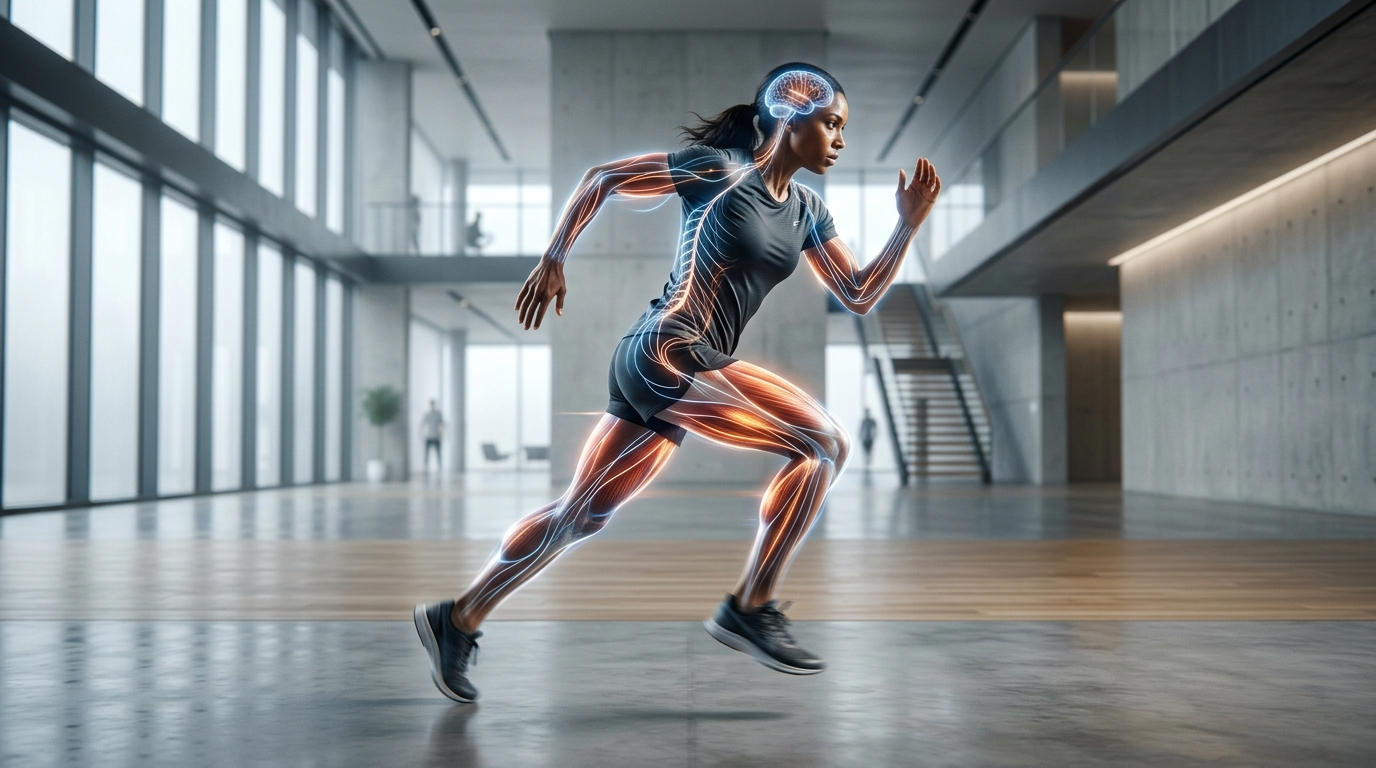
However, what happens after a year of driving? It becomes second nature. You can drive your car all the way home from work, listening to a podcast, without consciously thinking about the mechanics of driving at all. Your brain has automated the process.
Unconscious fitness applies this exact same neurological principle to physical movement. It is the systematic process of embedding physical activity and healthy posture so deeply into your daily routine that you perform them automatically. You no longer need the motivation to 'work out' because your environment and habits naturally demand movement. Effortless power is the end result: possessing a body that is strong, agile, and capable because it exists in a constant, low-level state of active engagement.
2. The Science Behind the Concept: Understanding NEAT
To make this abstract concept concrete, we must examine a proven scientific concept known as NEAT, which stands for Non-Exercise Activity Thermogenesis.
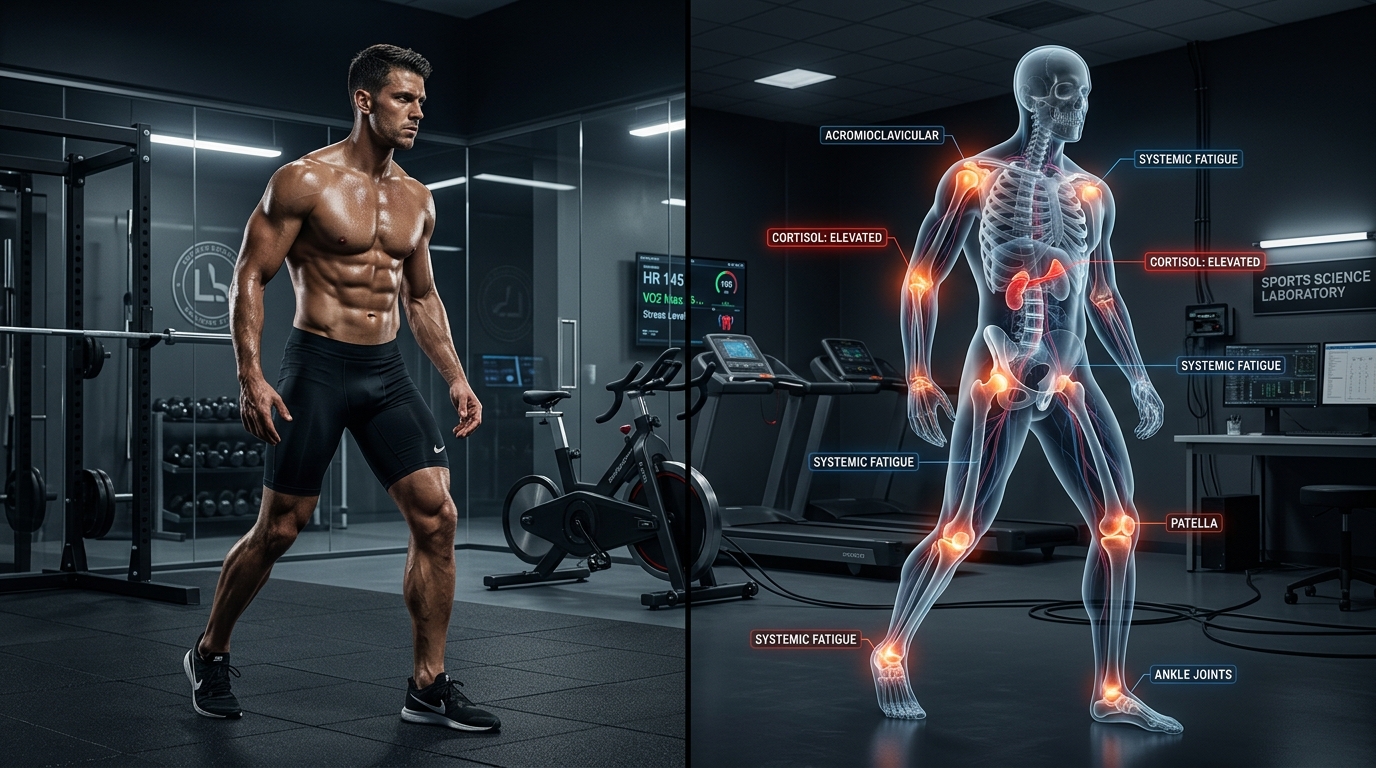
NEAT encompasses all the calories you burn and the muscles you activate doing everything that is not sleeping, eating, or intentionally exercising. This includes walking around the house, carrying groceries, fidgeting, maintaining an upright posture, and even doing household chores.
Let us analyze a comparison between two different lifestyles:
- Person A (The Conscious Exerciser): Goes to the gym for one hour a day, burning roughly 400 calories. However, they drive to work, sit at a desk for eight hours, take the elevator, and sit on a soft couch for the rest of the evening.
- Person B (The Unconscious Exerciser): Never formally goes to the gym. Instead, they commute to work on a bicycle, walk around the office while taking phone calls, perform calf raises while cooking dinner, sit on the floor instead of a couch (which requires core strength to repeatedly stand up from), and always take the stairs.
Person B is successfully practicing unconscious fitness. Over the course of a 24-hour period, Person B's constant, effortless micro-movements will often build more functional, real-world strength and burn significantly more energy than Person A's intense but brief, isolated workout. The math is simple: 15 hours of low-level activity always outweighs 1 hour of intense activity followed by 15 hours of extreme sedentarism.
3. The Biomechanics of Effortless Posture
Another crucial pillar of effortless power is posture. Poor posture is passive; it requires the bones and ligaments to hang loosely. Good posture, however, is highly active.
When you sit up straight without leaning against the back of a chair, your abdominal muscles, lower back (erector spinae), and neck stabilizers must fire continuously to fight gravity. Over time, maintaining this posture becomes an unconscious core workout.
- The Lesson: By simply learning to sit and stand with an engaged core, you are performing an isometric workout for thousands of hours a year. It feels difficult for the first few weeks, but soon, your brain automates it, leading to effortless core power.
4. A Step-by-Step Guide to Building Effortless Power
Now that we understand the 'why' and the science behind it, let us move to the practical application. Building effortless power is a gradual, step-by-step process. Here is how you can transform your daily routine starting today.
Step 1: Utilize 'Habit Stacking'
The absolute easiest way to build an unconscious habit is to attach a new movement to an already existing, deeply ingrained habit. In psychology, this is called 'habit stacking.'
- The Existing Habit: You already brush your teeth for two minutes every morning and every night.
- The Stacked Movement: Start doing deep, slow squats, or balancing on one leg while you brush your teeth.
At first, you will have to consciously remind yourself to do this. But within three to four weeks, the mere act of picking up your toothbrush will automatically trigger your brain's basal ganglia to signal your legs to balance or squat. It becomes effortless.
Step 2: Implement Environment Design
Human beings are products of their environment. If you want movement to be effortless, you must design your surroundings to naturally encourage it.
- The Example: Place a high-quality pull-up bar in the main doorway of your kitchen or bedroom. Make a personal rule that every time you walk through that specific door, you must reach up and hang from the bar for just 10 seconds.
- The Result: Passive hanging decompresses the spine, stretches the shoulders, and builds immense grip strength. Because the bar is directly in your path, the friction required to do the exercise is virtually zero. You do not need to pack a gym bag; you just reach up as you walk by.
Step 3: Practice Active Resting
In modern society, we heavily associate 'resting' with collapsing into a soft, highly supportive chair. However, from an evolutionary standpoint, human bodies are designed to rest in active positions, such as a deep primal squat or sitting cross-legged on the ground.
- The Action Plan: When watching television or reading a book in the evening, try sitting on the floor instead of the sofa.
- The Benefit: Because the floor is hard, you will naturally shift positions, stretch your legs, and engage your core muscles just to stay upright. Furthermore, the simple act of getting up from the floor multiple times an evening is a fantastic, completely unconscious workout for your hips, knees, and core.
Conclusion: Redefining Your Lifestyle
The true secret to effortless power is achieving a profound mindset shift. You must stop viewing exercise as an 'event'—a chore that happens in a specific building for exactly one hour a day. Movement is not a chore; it is the natural, default state of the human body.
By systematically finding small, highly practical ways to move more during your regular day, you completely bypass the need for intense willpower. You stop fighting yourself. You let your habits do the heavy lifting for you.
Effortless power is not about being lazy; it is about being incredibly efficient. Start small today. Choose just one daily activity, add a subtle movement to it, and watch closely as your body transforms over the coming months without you even realizing it.